
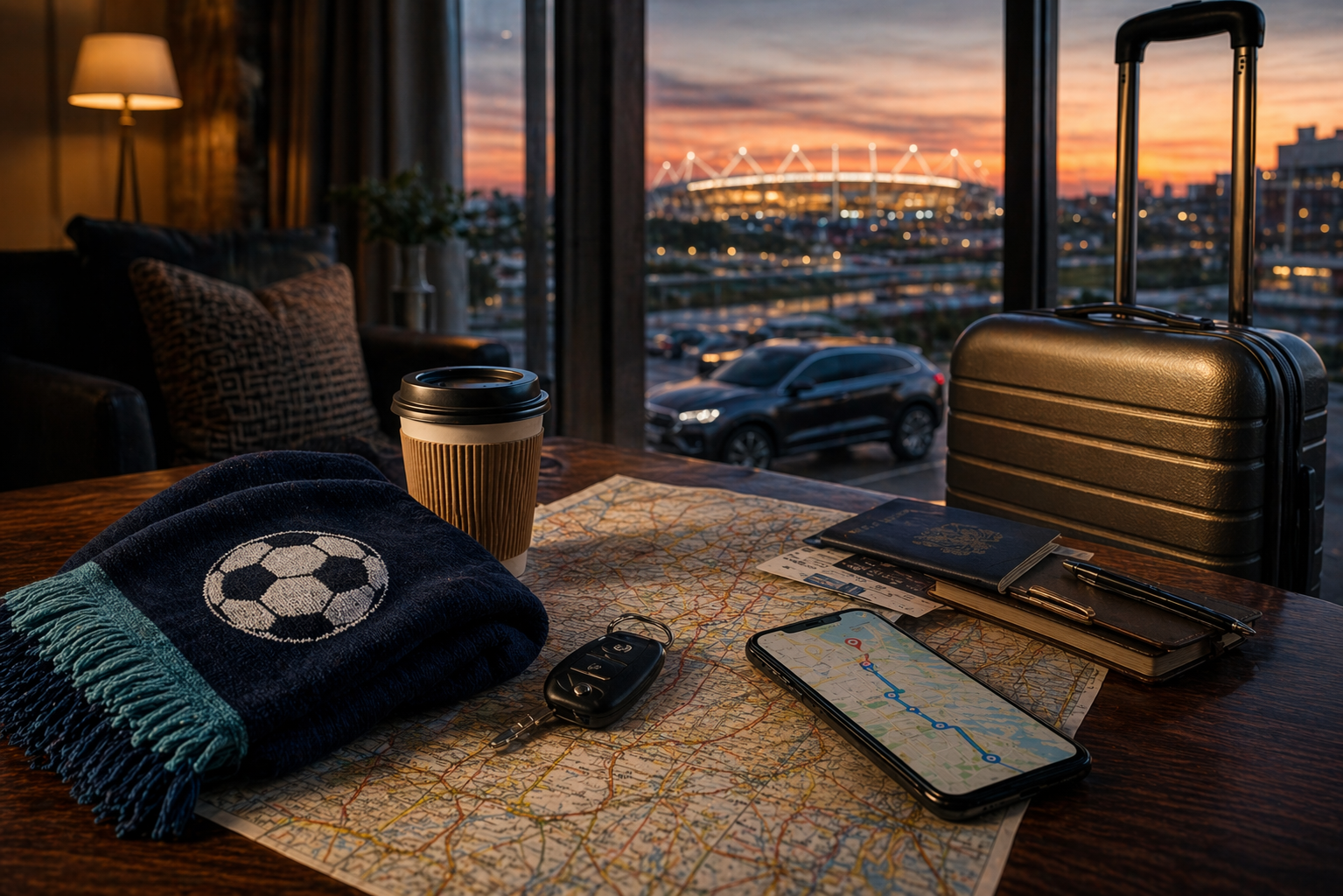
A World Cup 2026 road trip can be brilliant on the right route. It can also become a long parking story on the wrong one. The smartest driving plan respects both regional geography and matchday traffic.
Not every host city pair should be driven. Some routes reward the car because stadium access, hotel stock, and city spacing line up well. Other routes look easy on the map and still waste a full day.
When driving makes sense for World Cup 2026
Driving works best when two or three host cities sit inside one natural corridor. It also helps when fans want control over luggage, hotel timing, and side stops. The car becomes useful when it removes airport stress rather than adding road stress.
Short regional clusters are the strongest fit for this idea. Texas is a good example because Dallas and Houston already share a familiar domestic travel line. The same logic applies to the Northeast and to Seattle with Vancouver.
| Route Type | Best Fit | Main Watchout | Verdict |
|---|---|---|---|
| Dallas to Houston | Fans with open travel days | Traffic and late arrival fatigue | Good road trip route |
| New York to Boston corridor | Fans mixing cities in the Northeast | Urban parking cost | Possible, but rail may still win |
| Seattle to Vancouver | Fans comfortable with border planning | Cross-border delay | Strong road option |
| Miami to Atlanta | Fans with extra time | Long road day | Usually better by air |
| Cross-country host jumps | Fans chasing many far cities | Too much driving time | Poor road trip route |
Best World Cup 2026 road trip routes
Dallas to Houston is one of the clearest driving routes in the whole tournament. The cities fit one state corridor, and the route can work well with one recovery night. Fans should still avoid leaving after a very late match.
The New York New Jersey corridor toward Boston also makes sense for some fans. City parking can change the value fast there. In many cases, rail will still beat the car.
Driving only wins when the wider trip needs it. Seattle to Vancouver is another realistic road move because the corridor is direct. It also serves fans who want flexibility.
The border still needs time, so it should never be treated like a normal domestic drive. That route is strong, yet only with the right margin. Fans should always protect that day from a tight kickoff.
When the car becomes a bad idea
Driving loses value when the route crosses huge distances or drops into dense downtown parking battles. Fans should not try to force a road trip between far-flung hosts just for the feeling of movement. Some tournament jumps are better left to flights.
The car also becomes weaker when the next stadium sits deep inside transit-first city logic. In those cases, the vehicle can spend more time parked than helping. A rental only makes sense when it improves the whole route.
Matchday parking and stadium planning
Fans should never treat stadium parking like an afterthought. Some hosts reward park-and-ride plans or remote parking much more than direct arrival. Last-minute driving toward the venue usually increases stress.
The broader World Cup 2026 picture still matters before the car is booked. A smart road trip uses the car for intercity movement first. It does not assume the vehicle will solve every matchday.
Which host cities fit road travel best
Dallas is one of the clearest driving anchors because the wider metro area already leans heavily on the car. The Dallas World Cup 2026 fan travel info helps compare base areas before a Texas drive. Houston then becomes the natural second stop for that same-state route.
The Houston World Cup 2026 fan travel info is useful before you decide whether Texas should be driven or flown. New York New Jersey creates a different question because the car can help between cities. It can still hurt inside the local zone.
The New York World Cup 2026 fan travel info helps make that call. Vancouver is a special case because the road route can be great while the border still changes the day. The Vancouver World Cup 2026 fan travel info helps compare downtown planning against a direct driving arrival.
That last decision matters more than it first seems. A good road trip hotel should reduce the final stadium move, not complicate it. Parking logic belongs in the booking stage, not on the day of the match.
Rental cars, borders, and fatigue
Fans using rental cars must check border permission before they assume a cross-country drive is simple. Some rental agreements allow it, and others limit it. This detail needs to be confirmed before the keys are picked up.
Fatigue also matters more than people admit. A long drive after a night match can weaken the next city, even when the route looks efficient. One calm hotel stop often protects more value than one extra push on the road.
Snacks, charging, navigation, and phone data are small details, yet they keep a driving day smooth. Good road trips are rarely about speed alone. They work because the day feels controlled.
Frequently Asked Questions
Is driving a good way to follow World Cup 2026?
Driving works well on selected regional routes, yet it is a poor fit for every host city combination.
Which road trip routes make the most sense?
Dallas to Houston, New York to Philadelphia to Boston, and Seattle to Vancouver are among the most realistic patterns.
Should fans drive straight to the stadium on matchday?
That depends on the city, yet many hosts reward parking plans or park-and-ride thinking more than last-minute driving.
Can rental cars cross borders during World Cup 2026?
Some can, yet fans must check the rental agreement first because cross-border rules vary by company and country.
Conclusion
A World Cup road trip should be chosen, not romanticized. The best routes stay regional, paced, and realistic about parking. Once the car serves the route instead of dominating it, the trip gets much better.
Pick the driving legs that truly save stress, then let rail or flights handle the rest. That mix often wins over forcing every mile by road. The strongest football road trip is the one that still feels fresh at kickoff.